Anggada: A Handwritten Font for Editorial Design
What Is Anggada?
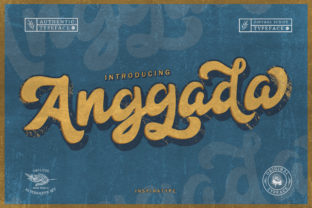
Anggada is a casual handwritten font with a cool, approachable vibe. Its flowing lines and natural rhythm make it stand out in any design context. Designed for editorial use, this script font brings a personal touch to publications without sacrificing readability. Whether you're crafting a blog post, designing a magazine cover, or creating an ebook, Anggada offers a versatile typeface that can elevate your visual storytelling.
Visual Characteristics and Style
Anggada’s style is defined by its organic curves and soft transitions, giving it a handcrafted feel. It's not overly ornate, which makes it suitable for both modern and traditional layouts. The font maintains a consistent weight throughout, ensuring clarity even in larger text sizes. Its personality is friendly and inviting, making it ideal for content that aims to connect with readers on a personal level.
Editorial Applications
Anggada shines in editorial design where visual appeal and readability are equally important. Here are some practical applications:
- Blog Headers: Use Anggada for headlines to create a memorable first impression. Its relaxed style adds warmth to lifestyle, fashion, or travel blogs.
- Magazine Covers: This font can serve as a focal point on covers, especially for niche publications or creative magazines that want to stand out.
- Ebook Titles: For digital books, Anggada adds a unique flair to titles while maintaining legibility across different screen sizes.
- Newsletter Graphics: Incorporate Anggada into pull quotes, sidebars, or section headers to break up text and guide the reader’s eye.
- Quote Layouts: Use it for standout quotes in articles, reports, or guides to emphasize key points with a stylish touch.
- Printable Guides: From planners to worksheets, Anggada enhances the aesthetic of printable materials while remaining easy to read.
- Content Branding: This font can be part of a publication’s brand identity, helping to create a cohesive look across all platforms.
Readability and Visual Hierarchy
While Anggada is a script font, it’s designed with readability in mind. It performs well in both digital and print formats, though it’s best used for shorter texts like headings or accents rather than long body copy. Pairing it with a clean sans serif or serif font can help maintain a balance between style and function.
For instance, using Anggada for a lifestyle blog’s header and a readable serif font for the body creates a dynamic contrast that draws the reader in. Similarly, in a digital magazine, Anggada can be used for section titles while a modern sans serif font handles captions and navigation elements.
Font Pairing and Stylistic Balance
When working with Anggada, consider how it complements other fonts in your design toolkit. A popular pairing is to use it alongside a structured serif or sans serif font for body text. This combination ensures that the overall layout remains visually engaging without overwhelming the reader.
For example, in a wedding guide, Anggada could be used for title pages and decorative elements, while a clean sans serif font provides clarity for the main content. In a coaching workbook, the same approach helps maintain a professional yet approachable tone.
Practical Considerations
Before using Anggada in your projects, ensure that you have the appropriate commercial license. This font is suitable for ebooks, templates, printables, paid newsletters, client publications, and digital downloads. Check if the font includes alternate styles, ligatures, and weights to expand its versatility.
Additionally, verify that the font supports multilingual text if you plan to use it in international contexts. This attention to detail ensures that your designs remain accessible and effective across different audiences.
Conclusion
Anggada is more than just a font—it’s a design tool that can enhance the visual and emotional impact of your editorial work. Whether you’re building a blog, creating an ebook, or designing a newsletter, this handwritten font adds a unique character that resonates with readers. By understanding its strengths and limitations, you can use Anggada to craft compelling layouts that reflect both your brand and your audience’s needs.